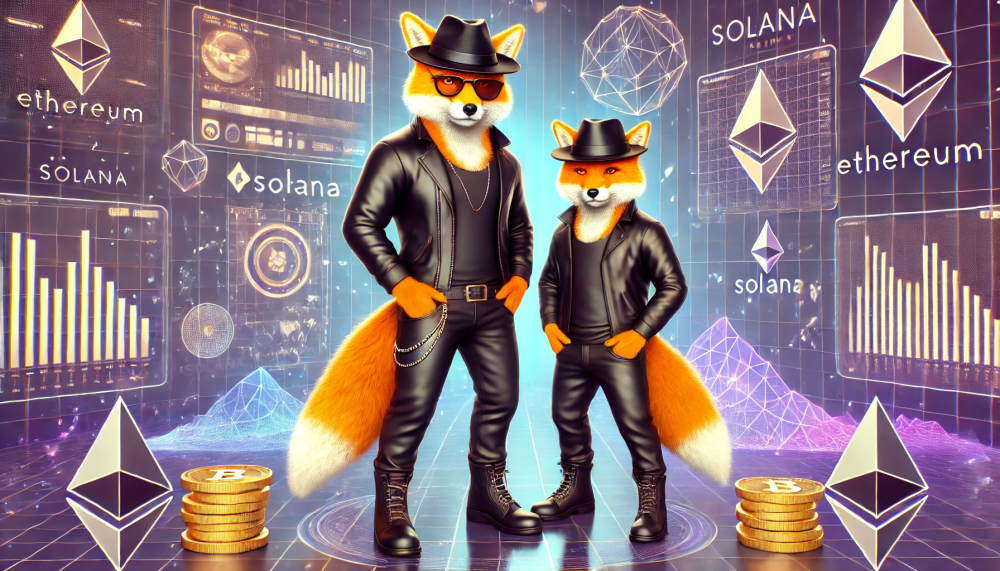
Dive into the fascinating world of blockchain as we compare Ethereum and Solana. Learn about their technologies, ecosystems, and what the future holds for these two giants.
Understanding the Blockchain Rivalry: Ethereum vs Solana
Blockchain technology, the backbone of cryptocurrencies, has revolutionized the way we think about digital transactions and decentralized applications. But, amidst this revolution, two names often come up in discussions: Ethereum and Solana. Both are significant players in the blockchain space, each with its unique strengths and weaknesses. Let’s set the stage for a deeper comparison between these two platforms.
Another big rivalry in blockchain is bitcoin and etherum rivalry, about which I wrote an article.
Ethereum: The Pioneer of Smart Contracts
Ethereum, launched in 2015 by Vitalik Buterin, has been a trailblazer in the blockchain arena. It introduced the concept of smart contracts, self-executing contracts where the terms of the agreement are directly written into code. This innovation opened up endless possibilities for decentralized applications (dApps), allowing developers to create applications that run on the blockchain without any downtime, fraud, or interference.
Ethereum’s native cryptocurrency, Ether (ETH), is the second-largest by market capitalization, right after Bitcoin. This platform has been the go-to for many developers due to its robust ecosystem and the vast number of tools and resources available. However, Ethereum has faced challenges, particularly with scalability and transaction fees, which brings us to the new contender on the block.
Solana: The Speed Demon of Blockchain
Solana, a relatively newer platform introduced in 2020 by Anatoly Yakovenko, aims to solve the scalability issues that plague Ethereum. Solana’s architecture allows for high-speed transactions and lower fees, making it an attractive option for developers and users alike. Its consensus mechanism, a combination of Proof of History (PoH) and Proof of Stake (PoS), allows for a significantly higher throughput than Ethereum, which currently relies on Proof of Work (PoW).
Solana’s native token, SOL, has gained substantial attention and market value, positioning itself as a formidable rival to Ethereum. The platform’s ability to handle thousands of transactions per second with minimal fees is one of its standout features, but does it have what it takes to dethrone Ethereum?
Technical Showdown: Comparing Ethereum and Solana
When it comes to comparing Ethereum and Solana on a technical level, there are several critical aspects to consider: native tokens, smart contracts, transaction speeds, security models, and scalability.
Ether (ETH) vs SOL
Ether (ETH) is well-established and widely accepted across various platforms. It’s the fuel that powers Ethereum’s ecosystem, used to pay for transaction fees, computational services, and more. On the other hand, SOL is gaining traction rapidly, with its value and utility growing as Solana’s ecosystem expands.
Smart Contracts and dApps
Ethereum is synonymous with smart contracts. The platform’s ERC-20 and ERC-721 standards have become the foundation for numerous tokens and NFTs, respectively. Solana, while newer to the scene, has been catching up quickly. Its smart contract capabilities, though different in design, offer similar functionalities with the added benefit of higher performance due to its scalable architecture.
Transaction Speeds and Throughput
Here’s where Solana shines. Ethereum’s current network can handle about 30 transactions per second (TPS), whereas Solana boasts a capacity of over 50,000 TPS. This disparity is due to Solana’s unique Proof of History (PoH) mechanism, which timestamps transactions to ensure a high-speed and efficient process. Ethereum, however, is on the brink of transitioning to Ethereum 2.0, which promises to significantly enhance its throughput and reduce congestion.
Security Models and Consensus Mechanisms
Security is paramount in blockchain technology. Ethereum’s Proof of Work (PoW) mechanism, while secure, is resource-intensive and less environmentally friendly. The upcoming shift to Proof of Stake (PoS) with Ethereum 2.0 aims to address these concerns by offering a more sustainable and scalable solution.
Solana employs a hybrid model combining Proof of History (PoH) and Proof of Stake (PoS), which not only speeds up transactions but also maintains a high level of security. This innovative approach provides a balance of performance and safety, appealing to many developers.
Scalability and User Experience
Scalability has been Ethereum’s Achilles’ heel. High transaction fees and slower speeds during peak times have frustrated users. Solana’s architecture, designed for scalability, offers a smoother user experience with faster transactions and lower costs. However, Ethereum’s vast ecosystem and ongoing improvements with Ethereum 2.0 may level the playing field soon.
Ecosystems and Communities: Vital Cogs in Blockchain Success
The success of a blockchain platform isn’t just about technology; it’s also about the strength and vibrancy of its ecosystem and community. Both Ethereum and Solana have been working tirelessly to grow their respective ecosystems.
Ethereum’s Thriving Ecosystem
Ethereum has had a significant head start, which is evident in its extensive ecosystem. It hosts thousands of dApps, including major players in the DeFi (Decentralized Finance) and NFT (Non-Fungible Token) sectors. The developer community is vast, with numerous resources, tutorials, and forums available for both novice and experienced developers.
Solana’s Rapid Growth
Solana, despite being newer, has made impressive strides in a short amount of time. The platform has attracted several high-profile projects and developers, drawn by its high performance and low fees. Initiatives like the Solana Season hackathon have spurred innovation and community engagement, helping to rapidly expand its ecosystem.
Diversity and Reach of dApps
When comparing dApps on Ethereum and Solana, Ethereum still holds the lead in terms of diversity and number. However, Solana is catching up quickly, particularly in the DeFi and gaming sectors. Solana’s lower transaction costs and higher speeds are significant advantages for these types of applications, making it an attractive option for new projects.
User Communities and Network Effect
User communities are the lifeblood of any blockchain platform. Ethereum’s community is well-established, highly active, and deeply engaged in the platform’s development. Solana’s community, while newer, is growing rapidly and shows a high level of enthusiasm and innovation. The network effect, where the value of the platform increases with the number of users, is stronger in Ethereum due to its longer presence, but Solana is gaining ground quickly.
Support and Resources for Developers
Both platforms offer substantial support and resources for developers. Ethereum has a more extensive repository of tools and documentation, given its longer existence. Solana, however, is rapidly building its support infrastructure, providing developers with the necessary tools and resources to build and scale their projects effectively.
The Future Trajectory: Predictions for Ethereum and Solana
Looking ahead, the trajectories of Ethereum and Solana could shape the future of blockchain technology in significant ways. Each has a roadmap filled with ambitious plans and potential challenges.
Ethereum 2.0: A New Era
Ethereum 2.0 is perhaps the most anticipated upgrade in the blockchain space. This upgrade aims to transition Ethereum from a Proof of Work (PoW) to a Proof of Stake (PoS) consensus mechanism. The change promises to improve scalability, reduce energy consumption, and enhance security. If successful, Ethereum 2.0 could address many of the current issues facing the platform, solidifying its position as a leader in the blockchain space.
Solana’s Expansion Plans
Solana is not resting on its laurels. The platform has plans to continue its expansion by improving its infrastructure, enhancing security, and attracting more developers. Solana’s focus on scalability and performance positions it well to capture a significant share of the blockchain market, particularly as more developers and users seek alternatives to Ethereum’s congestion and high fees.
Also learn the future of blockchain, so you will understand how to earn from it!
Evolving Blockchain Landscape
The blockchain landscape is dynamic and ever-evolving. Innovations such as layer 2 solutions on Ethereum and advancements in Solana’s technology could significantly impact their competition. Additionally, regulatory developments and wider adoption of blockchain technology will play crucial roles in shaping the future.
Potential Shifts in the Balance
As Ethereum and Solana continue to develop, we may see shifts in their respective positions in the market. Ethereum’s extensive ecosystem and upcoming improvements give it a strong foundation. Meanwhile, Solana’s high performance and growing community make it a formidable contender. The balance of power in the blockchain space could shift based on how well each platform addresses its challenges and capitalizes on its strengths.
Final Thoughts on the Rivalry
In conclusion, the rivalry between Ethereum and Solana is a testament to the vibrant and competitive nature of the blockchain space. Both platforms have their unique advantages and face their own set of challenges. While Ethereum boasts a robust ecosystem and upcoming technological improvements, Solana’s high performance and lower fees are hard to ignore. The future of blockchain technology is bright, and whether you’re an investor, developer, or enthusiast, keeping an eye on both Ethereum and Solana will undoubtedly be fascinating.
“Guess what? When you click and buy through our links, you’re doing more than improving your journey. You’re supporting us in a way that doesn’t cost you extra but helps us keep bringing you the best blockchain posts. It’s a pump for both of us!”
-0xteumessia