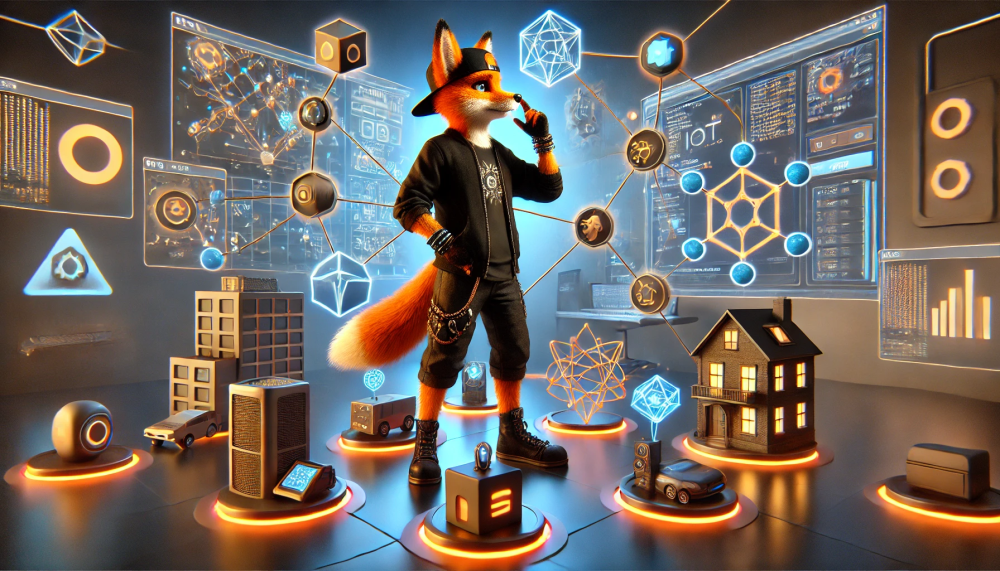
Discover the process of integrating blockchain with IoT to boost security and efficiency. This comprehensive guide covers everything from key steps and benefits to challenges and real-world applications.
In the ever-evolving tech landscape, the combination of blockchain and the Internet of Things (IoT) is making waves. Imagine a world where your fridge can automatically order groceries when you’re running low, or where supply chains are so transparent that you can track every step of a product’s journey from factory to store shelf. Sounds like science fiction? Not anymore. The integration of blockchain with IoT is transforming industries by enhancing security, transparency, and efficiency. This guide will walk you through the steps to integrate these powerful technologies, highlight their benefits, discuss challenges, and explore real-world applications.
Understanding Blockchain and IoT
Definition of Blockchain
Blockchain, in its simplest form, is a decentralized ledger that records transactions across multiple computers so that the record cannot be altered retroactively without altering all subsequent blocks. Think of it as a digital ledger that’s open to everyone and can be trusted implicitly.
Learn more about blockchain technology.
Definition of IoT
The Internet of Things (IoT) refers to the network of physical objects—”things”—embedded with sensors, software, and other technologies to connect and exchange data with other devices and systems over the internet. From smart home devices to industrial machinery, IoT is revolutionizing how we interact with the physical world.
Importance
Blockchain and IoT are pivotal in today’s tech-driven era. Blockchain’s security and transparency make it invaluable in scenarios requiring trust and accountability. Meanwhile, IoT’s ability to gather and analyze data in real-time is essential for automation and smart decision-making. When combined, they promise to elevate various industries by addressing many of their current limitations.
Why Integrate Blockchain with IoT?
Enhanced Security
IoT devices are notoriously vulnerable to cyber threats. Blockchain can mitigate these risks by providing a secure and immutable ledger of all transactions. Each transaction is encrypted and linked to the previous one, making it virtually impossible for hackers to tamper with the data.
Transparency and Trust
One of the most compelling benefits of blockchain is its transparency. Every transaction is recorded and can be audited at any time. This transparency builds trust among stakeholders, whether they’re consumers, suppliers, or regulatory bodies.
Efficiency
Integrating blockchain with IoT can streamline processes, reducing the need for intermediaries and lowering operational costs. Smart contracts self-executing contracts with the terms directly written into code can automate complex workflows, ensuring efficiency and accuracy.
Real-time Data Processing
With blockchain and IoT, data collected from devices can be processed and verified in real-time. This not only improves data management but also enhances decision-making capabilities by providing up-to-date, reliable information.
I also wrote an article about blockchain and data security, this could be very helpful for you, so give it a shoot!
Key Steps to Integrate Blockchain with IoT
Identify Use Case
First things first, you need to determine the specific IoT application that will benefit from blockchain. Are you looking to enhance supply chain transparency, secure healthcare data, or automate smart home devices? Identifying your use case is crucial for a successful integration.
Choose the Right Blockchain Platform
Not all blockchain platforms are created equal. Ethereum, Hyperledger, and IOTA are popular choices, each with its own strengths. Ethereum is known for its robust smart contract functionality, Hyperledger offers a modular framework for enterprises, and IOTA is specifically designed for IoT applications.
Develop Smart Contracts
Smart contracts are the backbone of blockchain-IoT integration. These are self-executing contracts with the terms directly written into code. They automate processes, enforce rules, and ensure compliance without the need for intermediaries.
Secure IoT Devices
IoT devices must be secure to ensure the integrity of the entire system. Implement robust security measures such as encryption, secure boot processes, and regular firmware updates to protect these devices from vulnerabilities.
Implement Consensus Mechanism
A consensus mechanism ensures that all nodes in the blockchain network agree on the validity of transactions. This is crucial for maintaining data integrity and consistency. Popular mechanisms include Proof of Work (PoW), Proof of Stake (PoS) this model is making a lot of people earning money completely in passive income, so learn more deeply about staking and his earnings, and Delegated Proof of Stake (DPoS).
Test and Deploy
Before rolling out your blockchain-IoT integration, thorough testing is essential. Conduct simulations to identify potential issues and ensure everything works seamlessly. Once you’re confident, proceed with full deployment.
Benefits of Integrating Blockchain with IoT
Improved Security
With blockchain, each transaction is encrypted and linked to the previous one, creating an immutable chain. This makes it significantly harder for cybercriminals to alter the data, thus protecting IoT devices and networks from cyber threats.
Data Integrity
Blockchain ensures that the data recorded is accurate and tamper-proof. This is particularly beneficial in industries like healthcare and finance, where the integrity of data is paramount.
Cost Reduction
By automating processes and reducing the need for intermediaries, integrating blockchain with IoT can lead to substantial cost savings. For instance, smart contracts can automate billing and inventory management, reducing administrative costs.
Enhanced Transparency
The transparent nature of blockchain allows all participants to view the history of transactions. This builds trust and accountability, particularly in supply chain management, where consumers can trace the journey of a product from origin to shelf.
Decentralization
Blockchain’s decentralized nature reduces reliance on central authorities, eliminating single points of failure. This enhances the robustness and reliability of IoT networks, making them more resilient to attacks and failures.
Challenges and Solutions
Scalability
Scalability is a significant challenge when integrating blockchain with IoT. The sheer volume of data generated by IoT devices can overwhelm blockchain networks. Solutions include using scalable blockchain platforms like IOTA or implementing off-chain transactions.
Interoperability
Ensuring compatibility between various IoT devices and blockchain platforms can be tricky. Open standards and protocols, such as those developed by the IoT Standards Working Group, can facilitate interoperability.
Regulatory Compliance
Navigating the legal landscape is another hurdle. Regulations around data privacy and security vary by region and industry. Staying informed about the latest regulations and working with legal experts can help ensure compliance.
Energy Consumption
Blockchain operations, especially those using Proof of Work (PoW), can be energy-intensive. Exploring energy-efficient consensus mechanisms like Proof of Stake (PoS) or Delegated Proof of Stake (DPoS) can mitigate this issue.
About blockchain and energy there is a lot of to say, so jump to my article about blockchain and renewable energy!
Technical Complexity
Integrating blockchain with IoT involves complex technical processes. Collaboration with experienced developers and blockchain experts can help overcome these technical challenges.
Real-World Applications
Supply Chain Management
Blockchain-IoT integration can revolutionize supply chain management by enhancing traceability and accountability. Imagine knowing exactly where your coffee beans were sourced, how they were processed, and their journey to your local store. This transparency not only builds consumer trust but also ensures fair trade practices.
Smart Cities
In smart cities, blockchain and IoT can optimize urban infrastructure and services. From smart traffic management to efficient waste collection, these technologies can improve the quality of urban life while reducing operational costs.
Healthcare
Securing patient data is a top priority in healthcare. Blockchain ensures that patient records are immutable and accessible only to authorized personnel. Combined with IoT devices that monitor patient health in real-time, this can lead to more efficient and effective medical care.
Agriculture
In agriculture, blockchain and IoT can optimize farming practices and resource management. Farmers can use IoT sensors to monitor soil conditions, weather patterns, and crop health. This data, recorded on the blockchain, ensures transparency and helps in making informed decisions.
Automotive Industry
In the automotive industry, secure and efficient vehicle communication and transactions are crucial. Blockchain can facilitate secure data sharing between connected cars, while IoT devices monitor vehicle performance and provide real-time updates.
Case Studies
Example 1: Successful Blockchain-IoT Integration in Supply Chain Management
A leading logistics company integrated blockchain with IoT to enhance its supply chain transparency. Using IoT sensors to track goods and blockchain to record the data, they reduced fraud, improved traceability, and built stronger relationships with their customers.
Example 2: Implementation in Smart City Projects
In a major smart city initiative, blockchain and IoT were used to manage energy consumption efficiently. Smart meters connected to the blockchain recorded real-time energy usage, enabling dynamic pricing and reducing energy waste.
Example 3: Use Case in the Healthcare Industry
A healthcare provider integrated blockchain with IoT devices to secure patient data and monitor health conditions remotely. This integration improved patient care, reduced administrative costs, and ensured data privacy and integrity.
FAQs
- What are the main benefits of integrating blockchain with IoT?
Integrating blockchain with IoT enhances security, ensures data integrity, reduces costs, improves transparency, and decentralizes operations, making networks more robust and reliable.
- Which blockchain platform is best suited for IoT integration?
Ethereum, Hyperledger, and IOTA are popular choices, each with unique features. Ethereum offers robust smart contracts, Hyperledger is enterprise-focused, and IOTA is designed for IoT applications.
- What are the common challenges in blockchain-IoT integration?
Common challenges include scalability, interoperability, regulatory compliance, energy consumption, and technical complexity. Addressing these requires careful planning and collaboration with experts.
In a nutshell, the integration of blockchain with IoT holds tremendous potential to revolutionize various industries. From enhancing security and transparency to reducing costs and improving efficiency, the benefits are manifold. While challenges exist, they are not insurmountable. With the right approach and expertise, you can leverage these technologies to drive innovation and growth.
“Guess what? When you click and buy through our links, you’re doing more than improving your journey. You’re supporting us in a way that doesn’t cost you extra but helps us keep bringing you the best blockchain posts. It’s a pump for both of us!”
-0xteumessia