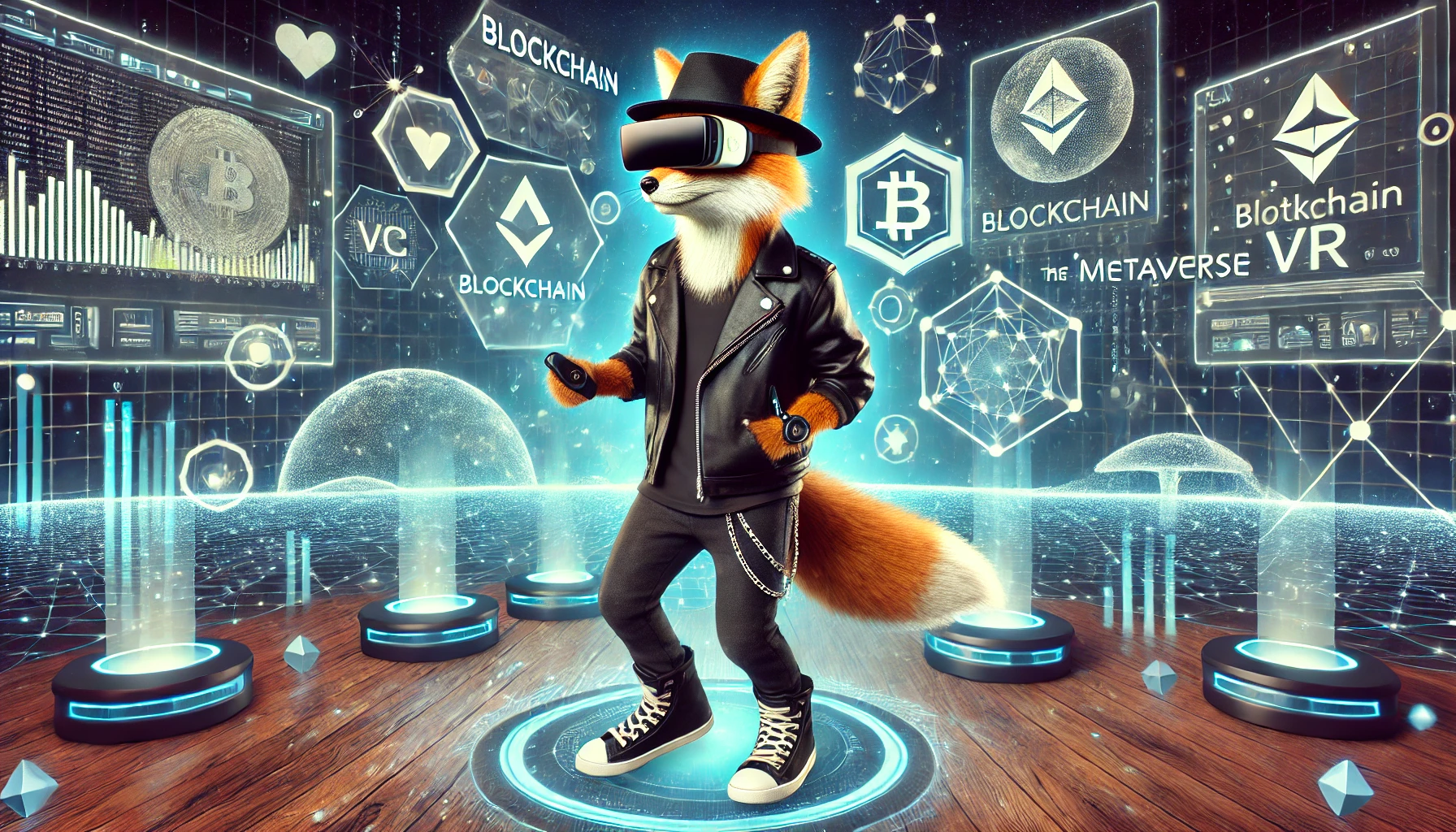
I’m going to kick things off by demystifying blockchain technology. At its core, blockchain is a distributed ledger that records all transactions across a network. The real kicker? It’s incredibly secure, thanks to cryptography. Blockchain isn’t just the backbone of cryptocurrencies like Bitcoin; it’s a foundational tech that has far-reaching implications.
Now, the metaverse is like this sprawling digital universe that’s gaining traction fast. Picture a virtual space where you can play, work, and socialize. It’s not straight out of science fiction anymore; it’s becoming a digital extension of our reality.
You’re going to find out about how blockchain isn’t just a part of the metaverse. It’s actually essential for everything from confirming your digital identity to owning virtual assets. Blockchain in the metaverse is like the DNA is essential for building a secure, functional, and trustworthy virtual experiences.
With this setup in mind, imagine having your virtual economy where your assets can’t vanish or be forged. That’s the strategy I like to leverage when thinking about blockchain and the metaverse, and it flows perfectly into the exciting world of digital economics, which I’ll cover next.
Enabling a Digital Economy with Blockchain
I’m going to show you how blockchain is revolutionizing the economy of the metaverse. Imagine a world where every transaction, no matter how small, is recorded and verified. That’s the power of blockchain. It’s reshaping the very nature of buying, selling, and trading in the digital realm.
You’re going to find out about the use of cryptocurrencies within the metaverse. Why stick to physical cash when you can transact with digital currency? In the metaverse, blockchain allows for seamless purchases and trades, making it incredibly easy to buy virtual land, goods, or services.
Creating and managing digital assets is a breeze with Non-Fungible Tokens (NFTs) [learn about NFTs]. These are like digital certificates of ownership for anything from art to in-game items, and blockchain ensures that the assets are unique and transferable.
Smart contracts take this technology to the next level. These are self-executing contracts with the terms directly written into code, facilitating trustless agreements and automating enforcement in transactions. This isn’t just about efficiency; it’s also about creating a reliable ecosystem in the metaverse.
Financial security becomes a primary concern as the digital economy expands. With blockchain, transparency is baked into the system. Transactions are public, traceable, and permanent, reducing the risk of fraud and scams and giving users peace of mind.
This shift towards a blockchain-based economy is setting the stage for what’s to come. Up next, I’ll explain how this technology is not only enabling economic operations but also reshaping the very concept of ownership and control in the metaverse.
Decentralization and Ownership in the Metaverse
If you’ve been following the digital transformation, you’ve likely encountered the term ‘decentralization‘. This is where blockchain shines in the metaverse – it’s a game-changer for how we perceive virtual spaces. Unlike traditional online platforms owned by single entities, blockchain encourages a model where control is distributed among its users.
Decentralization through blockchain allows for a fascinating shift. It gives power back to the people, in a sense. Users gain true ownership of their digital assets be it virtual land, avatars, or in-game items. These assets aren’t just some lines of code sitting in a company’s database; they’re now valuable, tradeable properties, thanks to blockchain.
What’s exhilarating is the way blockchain introduces new governance models. In these models, it’s the community of users who get to vote on significant decisions. Imagine having a say in the rule changes of an online world you spend hours in. That’s not just empowering; it deepens the relationship between the virtual world and its inhabitants.
But it’s not all sunshine and rainbows. There are complexities around ensuring fair governance and balancing different stakeholder interests. We’ll explore these hurdles and what lies ahead for blockchain in the metaverse in the next section.
Challenges and Future Perspectives
Now we’ve explored the monumental role blockchain can play in realizing the full potential of the metaverse, it’s time to address the path ahead. While the fusion of these technologies is promising, several challenges remain that must be navigated carefully.
Scalability is often the elephant in the room when discussing blockchain. As the metaverse continues to grow, blockchain networks must be able to support an astronomical number of transactions, assets, and interactions. Innovations in network design and consensus mechanisms are essential to meeting this demand without sacrificing speed or security.
Interoperability is another key challenge. Your experience in the metaverse should be seamless, even when crossing between different platforms and ecosystems. To accomplish this, we need blockchain systems that can talk to one another, swapping and understanding assets across various layers and applications.
Privacy and security are crucial, as the metaverse will likely hold more of our personal data than any platform before it. Blockchain offers transparent transactions but ensuring the privacy of personal interactions is a tightrope walk requiring thoughtful application of cryptography and network design.
As we look to the future, it’s clear that the role of blockchain in the metaverse will evolve. We’re going to see new governance models, innovative asset creation and management tools, and an explosion of user-generated content. All of these advancements hinge on blockchain technology’s capacity to grow and adapt.
In my opinion, blockchain is far more than just a buzzword in the context of the metaverse; it’s a foundational technology that will enable transformative experiences and empower users. I really hope that as we continue to interface with these digital worlds, we can achieve the balance between innovation, user empowerment, and necessary regulation.
So, I’d love to hear your feedback on the union of blockchain and the metaverse. What challenges do you think are the most pressing? Where do you see the greatest opportunities? Thanks for reading, and I’ll see you in the next discussion!
“Guess what? When you click and buy through our links, you’re doing more than improving your journey. You’re supporting us in a way that doesn’t cost you extra but helps us keep bringing you the best blockchain posts. It’s a pump for both of us!”
-0xteumessia